Wednesday, January 23, 2008

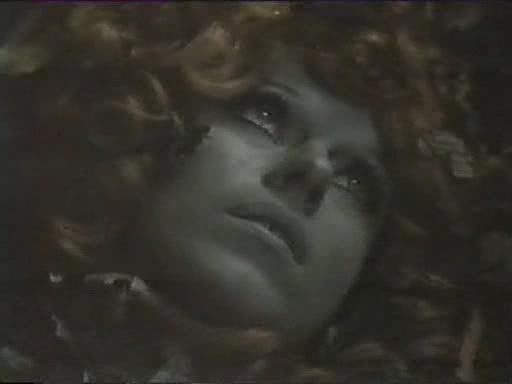
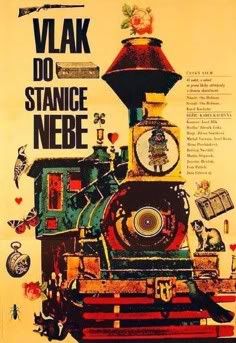
[Karel Kachyna|Vlak do stanice Nebe]開往天堂的列車

Title:Vlak do stanice Nebe
aka:The Train to Heaven Station
Director:Karel Kachyna
Release Date:1972
Genre:Drama / War
Country:Czechoslovakia
Language:Czech
IMDb

簡介。。。。。
The first movie I have ever seen
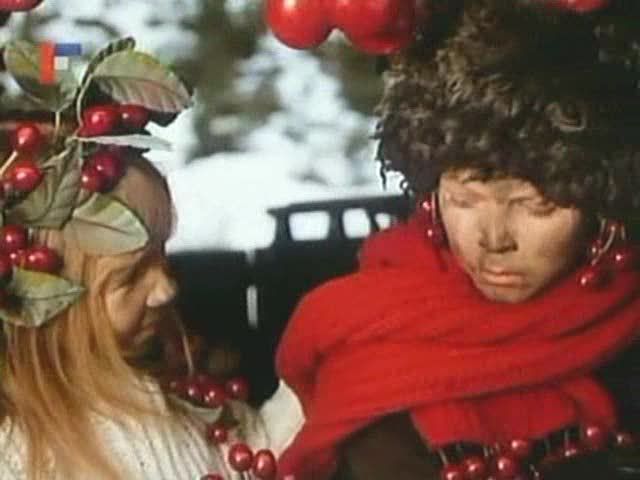
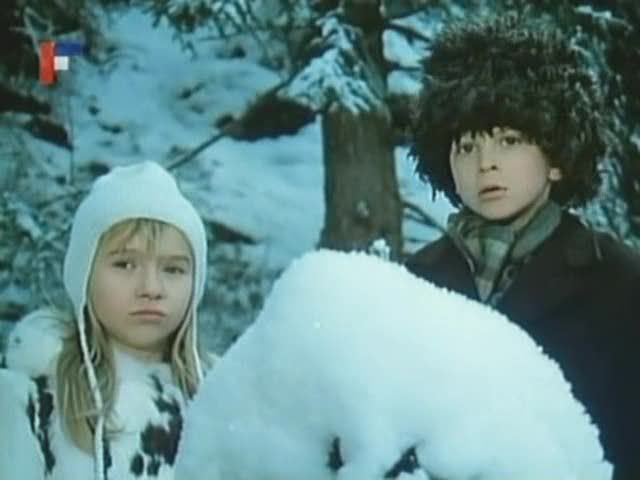
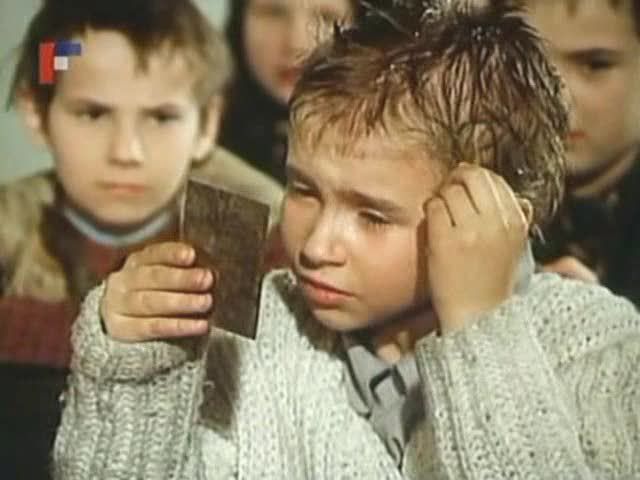
This is the first movie I have ever seen in my entire life. I had 4 years at that time and when my father asked what would I like to do next (it was my birthday) I said: I want to see it again. So we saw the film to times in a row. This film is about two boys in occupied Checozlovaquia and have powerful images that still round my mind. It reminds mi of The 400 blows and other classics in the French Nouveau Vague movement. Even though I saw it almost twenty years ago, some of the images in this film are part of my mind right now: a beautiful boy lost in the woods, a girl crying when the mother is cutting her head, the snow (being Mexican, I have never seen the snow in my life) and of course the beautiful golden light of those locations in the East of Europe. I really invite anyone interested in cinema, not only East Cinema, but Art Cinema in general, to watch and enjoy this beautiful diamond about love, freedom and friendship.

Another Czechoslovak gem
I too remember this film from my childhood. Another Czechoslovak gem, just like Three Gifts for Cinderella (Tri Orisky pro Popelku) that was a frequent part of my boyhood holidays. In Britain it was split into a 3 part series and narrated, and called either The Train to Heaven or The Train to Station Heaven (as in the Czech title). My memory of it is hazy now, just a whirl of strange moments....snowy landscapes, a headless horseman, the girl having her long hair cut, boys picking their way over railway tracks....God knows what it was all about but I remember enjoying it as a child and it obviously made an impression. I would love to see it again if it were released on DVD/VHS.
(From IMDb)

我的碎碎唸。。。。。。推薦指數:7.4/10
一部關於二戰中小孩子的影片,故事發生在1944年。Kachyna執導,TVrip,沒有字幕,所以只能看個大概意思。故事講述了一個漂亮的小男孩和一個可愛的金髮小女孩純潔的友誼和他們對自由的嚮往。如果將來有D版的話,我一定會再看一遍,因爲孩子們之間可愛的對話我都聼不懂。

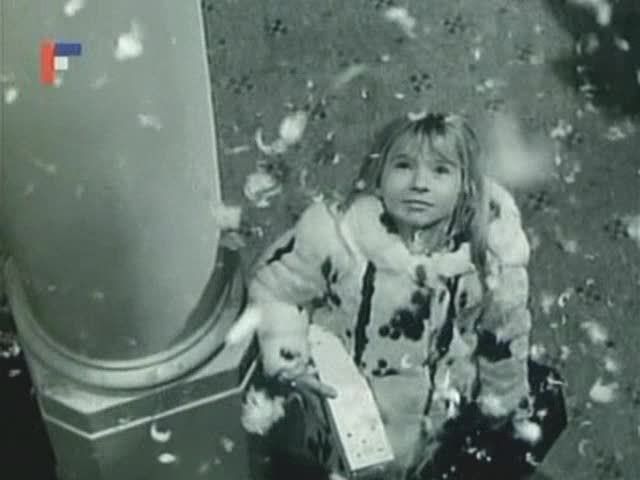
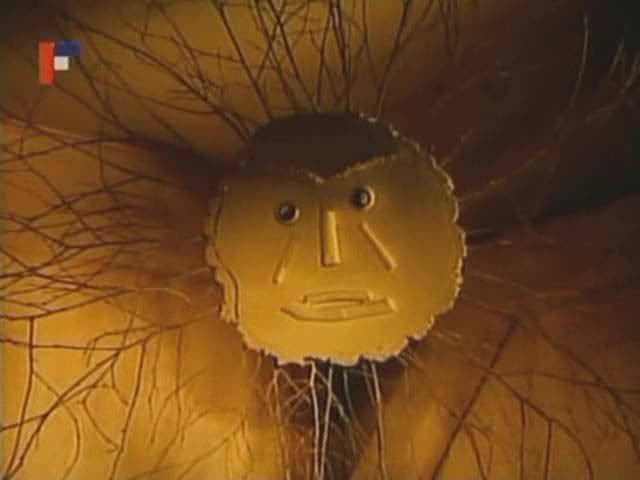
我更感興趣的是Kachyna的電影語言。圖案變幻的玻璃花窗,警報緊急地響起時如雪花般飄落的羽毛,童話般的冰雪國度中一群可愛的孩子乘坐著列車去上學,小女孩家裏各種各樣的有點像圖騰般的木偶玩具和轉眼睛的太陽風車,女孩滿地蘋果的房間,放在小城堡裏的小白鼠,女孩夢中騎著白馬的無頭騎士,被老師強迫剪掉長髮的女孩子們······最精彩的部分就莫過於男孩把火車頭偷偷開出來,兩人小孩在火車上五彩繽紛的想象與狂歡,可愛得嘆爲觀止。畢竟這是一部描繪孩子的喜劇,所以即使是緊張的戰爭情節,導演也放棄了緊迫的氣氛,不溫不火地講述這個關於孩子的故事。
Friday, January 18, 2008

[Eldar Shengelaya|Sherekilebi]奇人奇事

Photobucket
Title:Sherekilebi
aka:The Eccentrics
Director:Eldar Shengelaya
Release Date:1973
Genre:Comedy / Musical
Country:Soviet Union
Language:Georgian
IMDb

簡介。。。。。
Excellent surrealistic drama
Thumbs up for this pure pearl of soviet Georgian cinema. Highly recommended and not only for Georgians but for any moviegoer - everybody finds something appealing in this wonderfully developed and very well done film.

As for surrealism, it is exactly what makes to feel this film with its every bit: this surrealism is speaking on the language of every country and every nation.

And if you still doubt a word of mine, just watch this movie and you will know what I was talking about...

The director Eldar Shengelaya is very well known in Georgian movie art. The other highly recommended movies of his are "Tsisperi mtebi anu daujerebeli ambavi" and "Arachveulebrivi gamopena". By the way, all his movies show that he catches both the glimpses of daily life and the meaning beneath them with the pure professionalism and it is just pity he has not directed any movie since 1996.

All in all, watch and enjoy!!! (from IMDb)

我的碎碎唸。。。。。。推薦指數:8.5/10
之前基本上對格魯吉亞電影的了解還只停留在Parajanov身上,Eldar Shengelaya讓我又開闊了眼界。超現實的電影語言、詩意絢爛的畫面、目不暇接的民族傳統文化、風趣可愛的故事情節和人物形象······構成了Eldar Shengelaya電影的傑出。對他非常感興趣,所以目前也在尋找"Tsisperi mtebi anu daujerebeli ambavi" 和"Arachveulebrivi gamopena"這兩部。

Sherekilebi是部很罕見的作品,我從網路上得到的,由於文件小,影像的質量實在是很差,甚至連它的英文字幕也看不大清楚。故事大致講的是一個孤兒在養父去世后離開了家園,遇到了一位紅塵女子並深深愛上了她。但是也就是因爲她捲入了一場命案,被送進地牢。在地牢中還關著另一個犯人,這是一位非常奇怪但知識淵博的老人,他有非常高深的智慧卻有時會在傻瓜都知道的事情上犯錯誤。兩人成了師生關係,想要建造一個飛行器,很幸運的是他們從監獄裏成功地掏出來了。男孩回來找自己心愛的人,將建造飛行器和帶她一起上天的計劃告訴了她,卻發現這個風騷的女人早已經有了別的男人而且完全不願意和他們走。兩人強行將她帶走,卻被一個對他們飛行感興趣並另有目的的男人截下並將師生二人綁了起來。與此同時監獄看守們發現他們越獄后立刻向村子追了出來,正好碰上了被綁起的師生二人。經過一番混戰,監獄看守與之妥協並聼了意見把兩人留下借給他用。兩人建造飛行器的計劃順利完成,飛上天空成功的逃離了周圍這些人,飛翔在秀美壯闊的天地中。

影片幽默風趣,充滿幻想,童話般的絢爛色彩使畫面夢幻迷人,是一部非常值得一看的超現實主義電影。


Thursday, January 17, 2008

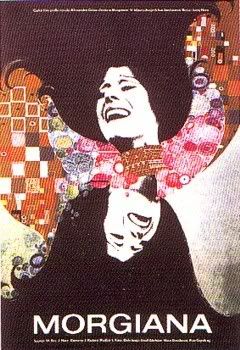
[Juraj Herz|Morgiana]摩格亞納的詛咒

Title:Morgiana
aka:摩格亞納
Director:Juraj Herz
Release Date:1972
Genre:Drama
Country:Czechoslovakia
Language:Czech
IMDb

簡介。。。。。
A memorable exercise in gothic excess from the noted Czech filmmaker Juraj Herz. Fabulously baroque visuals and a deliriously melodramatic storyline make for an interesting and enjoyable film that unfortunately falls apart in the end.

The Package
Although its director Juraj Herz never aligned himself with his country’s cinematic “New Wave”, MORGIANA (1971), with its unprecedented, near experimental visuals, is often cited as the “last” film of the Czech New Wave (a movement that included films like DAISIES, THE FIREMEN’S BALL and THE JOKE). Herz is best known for his expressionistic black comedy THE CREMATOR (SPALOVAC MRTVOL; 1968), which contained quite a few horrific touches. Both it and MORGIANA are visual marvels that were quite controversial in their native land, so much so that Herz claims he was forbidden to make features for two years following the completion of the latter film.

MORGIANA, based on a short story by Alexandr Grin, the “Russian Edgar Allen Poe,” was apparently conceived quite differently than it turned out. Herz’s conceit of having one actress, Iva Janzurova, play two roles was apparently due to the fact that her characters were originally intended as different facets of a single person. This would have altered the intent of the film quite radically, but government-appointed regulators took issue with that interpretation and forced Herz to make a film he admits he “didn’t like.” Unwanted outside interference is a problem that has dogged Herz throughout his career, but he’s managed to turn out some interesting films all the same, even if he himself disagrees.

The Story
In an unidentified 19th Century setting of decadent opulence two sisters, the vivacious blonde Klara and the pouty brunette Viktoria, find themselves graced with abundant wealth inherited from their recently deceased father. Viktoria, the bad sister, grows increasingly jealous of the good Klara’s inheritance of their family house and the fact that she’s far more popular with the local men. Viktoria decides to poison her sister, an act far more complicated than she originally anticipated: the poison turns out to be a slow acting one which somehow manages to spread to much of the surrounding population, including Morgiana, Viktoria’s cat. Worse, the spiteful woman who sold Viktoria the poison decides to blackmail her...and won’t be silenced, even after Viktoria pushes her off a cliff!

Klara, meanwhile, finds herself drifting into an increasingly hallucinatory reality. She thinks her sister might be responsible, but can’t tell if her suspicions are real of just more hallucinations. Eventually she expires...or seems to, at any rate. Viktoria decides to stage her own suicide by hanging, planning it so she’ll be saved at the last minute by her maid; her none-too-loyal cat Morgiana thwarts her plan, however. This leads to a lame happy ending, which posits the poison that set things in motion wasn’t really a poison—right!!

The Direction
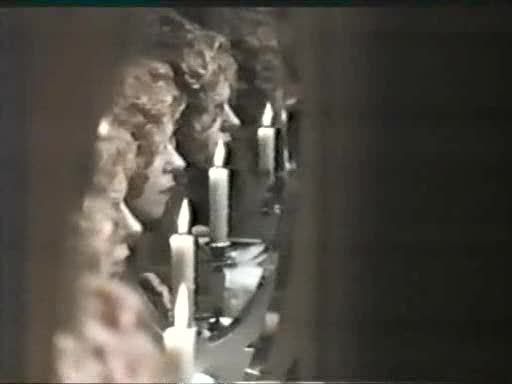
It’s the delirious visuals conjured by Juraj Herz and cinematographer Jaroslav Kucera (DAISIES) that give this film its kick. The color scheme is a gaudy one and the ever-fluid camerawork is extremely expansive and even show-offy, particularly the cat POV shots in which the camera darts and jumps. The outrageousness of the enterprise is completed by Herz’s preference for extreme wide-angle lenses.

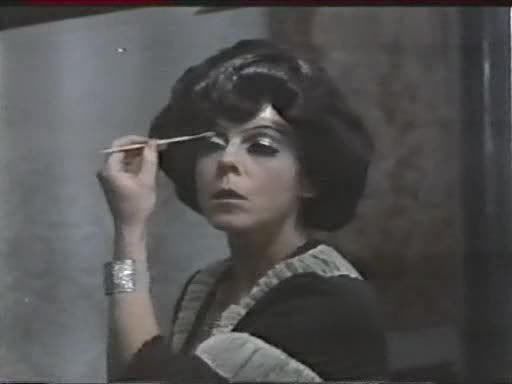
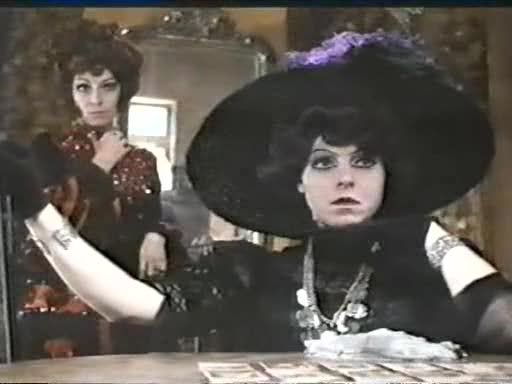
Also striking are the psychedelic POV shots representing the poisoned Klara’s druggy universe, where shades of red clash with black and white. Credit must be given Iva Janzurova’s duel performances that often have her interacting with herself. Outfitted entirely in black and sporting Cruella De Ville-like eye make-up and incredibly long lashes, she’s quite a sight as Viktoria the evil sister, and even loses her brunette wig toward the end to reveal a mop of patchy, balding hair. Lubos Fiser’s noisy, insistent music score also aids immeasurably in creating an atmosphere of melodramatic delirium. Again, however, the ending could really use some work.

我的碎碎唸。。。。。。推薦指數:7.8/10
捷克電影中陰暗、怪異的又一奇葩。導演Juraj Herz一向以怪異離奇的想象,電影中陰暗詭異的氛圍名聞遐邇,最著名的作品就要數《焚尸人》了,他是我非常欣賞的一位導演。雖然他從未把自己和捷克新浪潮聯係到一起,但是Morgiana以它的實驗意識,被人們認爲是捷克新浪潮最後的一部影片。

影片的場景設定在19世紀的某個有錢人的家裏,人物的服裝設計、場景的佈置全部是華麗的巴洛克式,氛圍又充滿了哥特式的陰暗與詭異,構成了捷克都有的波希米亞式華麗。攝影Jaroslav Kucera是Vera Chytilova的老公,和妻子一起拍攝的《雛菊》,在視覺上成就了Chytilova電影的先鋒形式,堪稱新浪潮中最具個性的電影。所以單在影片視覺上的華美方面本片就值得一看。影片是一個狠毒姐姐與善良妹妹之間的童話般的故事,摩格亞納是姐姐的貓。Herz高度讚賞的女演員Iva Janzurová一人分飾兩個完全不同角色——這對姐妹,如此大的反差卻被Iva演繹的淋漓盡致,是影片中另外一大看點。

故事講述富有的父親去世留下了很多的財產,大部分給了善良的妹妹Klara,狠毒的姐姐Viktoria非常生氣。但是更讓她無法忍受的是,活潑可愛又善良美麗的Klara人見人愛,是當地紳士們爭相追求的對象,可是沒有一個人喜歡Viktoria。這所有的一切都讓這位陰冷的Viktoria妒火中燒,於是她買來一瓶毒藥,下在她的早餐中想要毒死她。可是卻沒想到她她已經陷入圈套,賣給她毒藥的女人想要敲詐她的財產。被逼急了的Viktoria把這個女人騙到山上,將她從懸崖上推入海里。中了毒的Klara開始覺得難受,口渴難耐,不斷地喝水,並開始時不時地產生幻覺。卻在自己身體不舒服的時候,遇上了意中人——朋友的堂兄。被推下山崖的女人沒有死,將Klara中毒的事情告訴她。Viktoria的罪行逐漸敗露,最後無路可走的計劃著假裝上吊自殺,能被門外的女僕救下。但是不幸的是她的心肝寶貝打擾了她的計劃斷送了她的性命。令人欣喜的結局是實際上這個毒藥並不致命,只會令人產生幻覺。Klara終于可以和自己心愛的人走到一起了。
去豆瓣上看看。。。。。。


Wednesday, January 16, 2008

[Stefan Uher|Keby som mal pusku]如果我有一支槍

Photobucket
Title:Keby som mal pusku
aka:If I Had a Gun
Director:Stefan Uher
Release Date:1971
Genre:Comedy / Drama
Country:Czechoslovakia
Language:Slovak / Czech
IMDb

簡介。。。。。
This Czechoslovak film is set in Slovakia, which was harshly governed by the occupying Nazis. It follows the life and daydreams of a 12-year-old boy during that period, and does not clearly segregate truth from fantasy. The boy plays games by himself, and frequently fantasizes about facing down the local fascists, a bullying neighbor, and the Germans. "If I had a gun," he says to himself, "I would do this..." When his uncle, a smuggler, leaves a gun with him, he fantasizes about killing the local German commander. Perhaps he did.(from AMG)

A tragicomic story about boy who even in times of war remember how to play soldiers, dream of heroic deeds, spy on girls, show off in front of friends, and make up adventures. With the same naive childishness they face the frim events of war and everyday village life. Despite the Communist regime, director Stefan Uher socceeded in turning Milan Ferko's and Elo Havetta's screenplay into a vivid picture with a theme often romanticized and distorted by ideology.

我的碎碎唸。。。。。。推薦指數:8.2/10
斯洛伐克電影學院最近發行了“70年代斯洛伐克電影系列”DVD套裝,目前包括11部電影。這部電影是套裝中的第三部,由於我一直尋找Stefan Uher的電影而沒有結果,所以迫不及待的搶先看了這部電影。Stefan Uher被稱爲捷克電影新浪潮的十傑之一,他的作品《網中的太陽》被認爲是捷克電影新浪潮的開山之作。但是他的作品卻長期地被埋在地下鮮爲人知,非常罕見。我找了好久都沒有找到,這部《如果我有一支槍》是我看過的他第一部作品。

影片是小主人公Vlado面對戰爭思想上的反抗,想有一把槍的念頭從影片一開始就一直縈繞在Vlado的腦海中,因爲Vlado用彈弓根本射不到野鴨而被同伴嘲笑,而后野鴨被獵槍打下了。這個願望在二戰時德國人進入后小鎮之後意外的實現了。德國人嚴禁人民家裏私藏槍支,Vlado自私自利的叔叔爲了避免麻煩把槍藏在Vlado家並付錢讓Vlado偷偷替他保管。Vlado是一個聰明又淘氣的12嵗小男孩,縂會許多小點子或者惡作劇,有點像馬克·土溫筆下的Tom Sawyer。Vlado也喜歡在小夥伴們面前炫耀,縂想成爲大英雄,更重要的一點是他的心地善良,富有正義感。在Vlado的眼中,他的想象空間和現實世界的界限是很模糊的,所以在影片中會不時地穿插著他的有趣想象。他的想象完全折射了他的美好願望,但是這與殘酷的現實總是背道而馳。他希望用家裏的那把槍把這些德國人都打死,但是始終沒有足夠的勇氣。在經歷了遇見蘇聯的遊擊隊員,自己小妹妹的死去,瘸腿的爸爸被坏叔叔看成是賊后險些上吊自殺這些事情的過程中,Vlado也親眼目睹了德國人在鎮子裏的霸道和殘忍,他年幼的英雄主義情結在他的心中不斷的升騰,最終他選擇了德國人馬上就要在這場戰爭中失敗的時候,用家裏的這支槍向他最痛恨的德國軍官射去致命的一槍。

在這些似真實又似夢境的經歷后,Vlado長大了,更懂事了,懂得照顧爸爸媽媽,並為他們分擔家務了。正像他媽媽說的那樣:“你爸爸以前說戰爭對孩子有極坏的影響,可是我們的孩子越來越好了”。影片以德國人的失敗撤退、捷克斯洛伐克人的解放歡慶勝利而告終。這是一部嚴肅卻又充滿童真的悲喜劇,在孩子們頑皮的生活中展現戰爭的壓抑和罪惡,又以最令人振奮欣慰的方式將那些侵略者射去有力的一槍,很棒的一部作品。

Saturday, January 12, 2008

[Béla Gaál|Csak egy kislány van a világon]心底的女孩

Photobucket
Title:Csak egy kislány van a világon
aka:There is Only One Girl in the Whole World
Director:Béla Gaál
Release Date:1930-05-12
Genre:Silent,Drama
Country:Hungary
Language:Hungarian
IMDb

簡介。。。。。
This film is the first Hungarian sound film. a very rare gem of east european cinema.

Béla Gaál:Director. He read law in Budapest, then in 1913 he completed the course on acting of the National Association for Acting. In 1914 he published a volume of poetry entitled Kóborlások. In 1918 he founded the Madách Theatre, which he became the director of. Between 1920-27 he is the director of Star. At the end of the silent film era he returned to the stage and became the leading director of Belvárosi Színház (Theatre of the Inner City). After the sound picture was introduced his interest turned towards the cinema again. He was the Director of the film school of the National Association for Films and he himself lectured. His true genre is comedy. He called attention to himself back in the twenties with a burlesque made based on the script of Lajos Zilahy, Rongyosok. There are two memorable movie hits associated with his name: Meseautó (1934) and the Budai cukrászda (1935), having become a great name and pouring out the false romantic of the General Director and the typist. He filmed Jókai novNM: Geiger, Will Born William Francis Geiger, New Rochelle New York. Lived all over the U.S. and Europe as the son of an undercover F.B.I. Agent. Attended Royal Academy of Dramatic Arts in London, England, UK. Attended Orange Coast Film/Video Academy. While at Orange Coast, wrote and directed "In Love and War" which won Silver Plaque at Chicago Film Festival. Worked in Rome, Italy as a Director's Apprentice. Wrote and Directed "Red Man" through Fly Filmmaking Program at the Seattle Film Festival. "Red Man" premiered on the Independent Film Channel's Shorts Program.

我的碎碎唸。。。。。。推薦指數:8.0/10
這部電影是目前所知的匈牙利第一部有聲電影,雖然它大部分還是在匈牙利音樂和歌曲中進行,只用屈指可數的幾句是通過錄音設備錄製的短句和聲音(比如鼓掌的聲音)。

它是東歐電影史中罕見的瑰寶,比我之前看過的兩部電影都要好。首先導演
Béla Gaál(關於導演簡介,請看上面的英文部分)已經不拘泥于影棚中的拍攝,從室内走向室外,走向街道。因此拍攝的光影自然真實。而且通過室外的拍攝,間接的反映匈牙利當時的社會狀況和人民生活的社會風貌。此外,Béla Gaál在這部影片中拍攝了人民勞作和節日的大場景,他們採摘葡萄、釀製葡萄酒,聚在一起喝著這美酒,縱情舞蹈慶祝著他們的節日,非常具有社會意義以及民族風俗的研究價值。

依然沒有英文字幕,許多細節沒有看懂。故事大致講述的是戰後兩個老兵相互攙扶著跌跌撞撞回到家鄉,同時愛上了同鄉家的女兒,女孩子愛上他們中間長得比較帥的男人,兩人隨後訂了婚。這時男人要去城市裏,女孩為他送行並等待他的歸來。而這個男人到了城市裏認識了一位富家小姐,小姐很喜歡他,在金錢、美色以及社會地位的面前,男人背叛了自己的女朋友。當男人在回到鎮子的時候,女孩子看到了和他一起回來的富家小姐並得知了真相,女孩傷心慾絕。後來有一天,男人發現富家小姐另有新歡的時候,男人後悔了,重新回到小鎮,求得女孩的原諒。經過這些愛情的磨礪,男人終于知道了自己最愛是這個女孩,而且女孩也依然愛著他。於是兩位有情人終成眷屬。

這部又是一部描寫負心漢的電影,我看得前兩部也是這樣,非常巧合,呵呵。也許那個時代的人比較喜歡愛情背叛方面的戲劇衝突。但女主角在所愛之人背叛了自己之後,由於她們的愛情未滅,都選擇了寬容的接受。導演們一方面痛斥這種背叛,一方面更讚揚著女性的善良並對他們表示同情。雖然總會讓我產生一些不快以及對她們的軟弱有些不屑,但這可能就是時代特徵的產物。令我更感興趣的是,這部電影中的許多表現手法以及敍事手段都非常出色。比如通過一個球的鏡頭,將女孩所工作清貧的小學和男人在城市中與富家小姐觀看馬球的場景聯係在了一起,有“一江春水向東流”那樣強烈的對比,貧富懸殊、社會地位,讓觀衆對於這種陳世美式角色更加痛斥。我對其中一場戯記憶最深,就是男人和富家小姐坐在花園裏等她的父親,兩個人不敢太放縱,所以只能用他們的腳相互挑逗。鏡頭是只是草地上兩只腳的影子,高跟鞋與平底皮鞋的影子相互調情。非常具有象徵意義,還有些超現實的表現味道,非常精彩絕妙。

這部電影是很難找到的,我為我能夠看到這樣一部罕見的東歐電影傑作而感到很幸運。